#Media & Digital Diplomacy
The Rooms Where the World Is Decided: Why I Want to Cover the UN General Assembly
3 min read
10,348Views
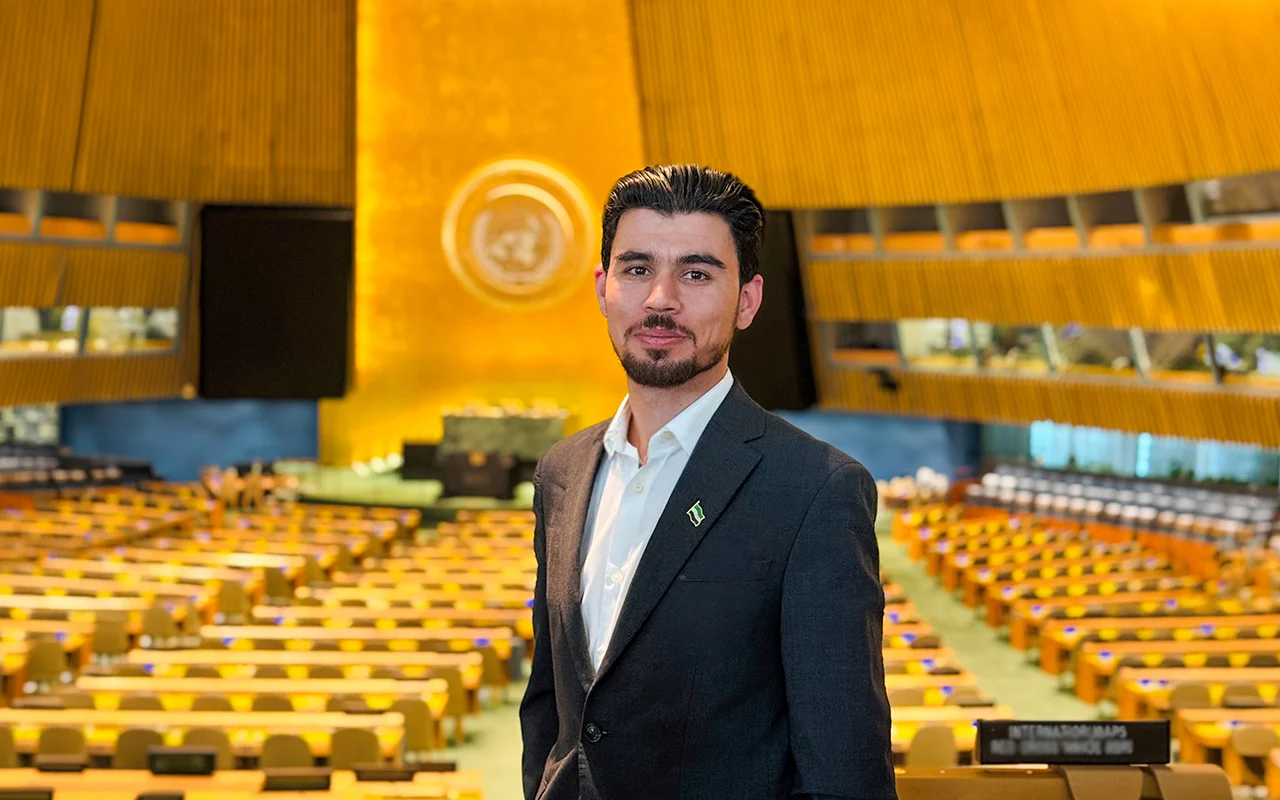
A paradox has followed me since childhood: the most consequential decisions about our lives were made in rooms we would never see. I grew up in Syria, where the maps of our fate were drawn in glass buildings thousands of miles away, and the results arrived as shelling, displacement, or silence. So when I say I want to cover the United Nations General Assembly, I am not requesting a press trip. I am trying to close a circle that opened decades ago: for a son of that forgotten geography to enter the hall not as a spectator behind the glass, but as a carrier of voices and a maker of narrative.
I have lived what war, displacement, and silence do to a human being, and I have witnessed what communities that refuse to break can do: they build, dream, and lead in the middle of rubble. Through my blog and my camera, I've tried to give those moments of resilience the light they deserve, practicing what scholars of media call narrative sovereignty, a community's right to tell its own story in its own voice, rather than through a passing correspondent's lens. Covering the General Assembly would move that work from the margins to the center, closing the distance between official diplomacy and the lived reality of millions whose lives are written into the clauses of resolutions.
I believe independent voices, especially those rising from the Global South, belong in these spaces not as diversity décor, but as lived expertise that no briefing paper can replicate. The content I create doesn't merely report what happens; it is engineered to ignite empathy, accountability, and dialogue. That is what I hope to bring into the Assembly hall: not additional coverage, but a missing perspective. Not more headlines, the absent humanity behind them.
We are living through a rebalancing of influence. Diplomacy is no longer the monopoly of formal suits and joint communiqués; digital media has created a global public square where creators and storytellers shape collective awareness at a speed traditional institutions sometimes cannot match. I see myself as part of this new generation of bridges. I am not only interested in the polished speeches, I care about the faces in the back rows, the conversations in the corridors, the electricity that crackles when distant cultures and convictions touch.
Covering the General Assembly is not a line on my résumé; it is a moral commitment. When I write from there, I will not write merely as a reporter, but as a human being carrying the hopes and wounds of people ignored for too long. I want to prove, to myself first, and to an entire generation behind me, that we belong in these spaces: not as occasional guests of honor, but as equals with the right to speak and the duty to bear witness.
Bridge — The Newsletter
Join subscribers and get the latest articles and reflections in your inbox.
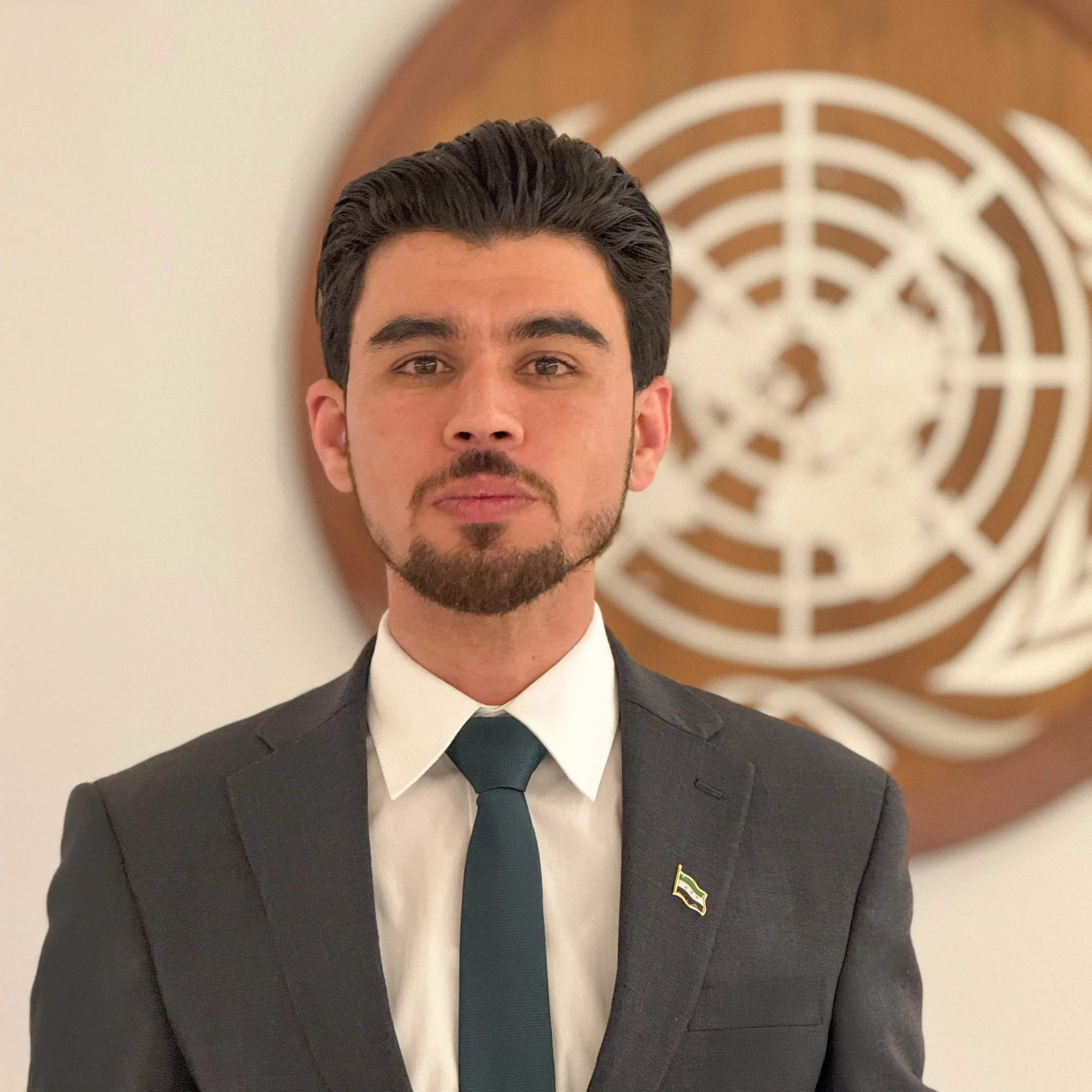
Mohammad Alammar
My name’s Mohammad Alammar. Over the past decade, I've evolved from a dreamer with limited resources into a founder who reaches a community of over one million followers.