#Conferences & Events
From San Francisco to the Arab World: My Story with HumanX 2026
6 min read
17,441Views
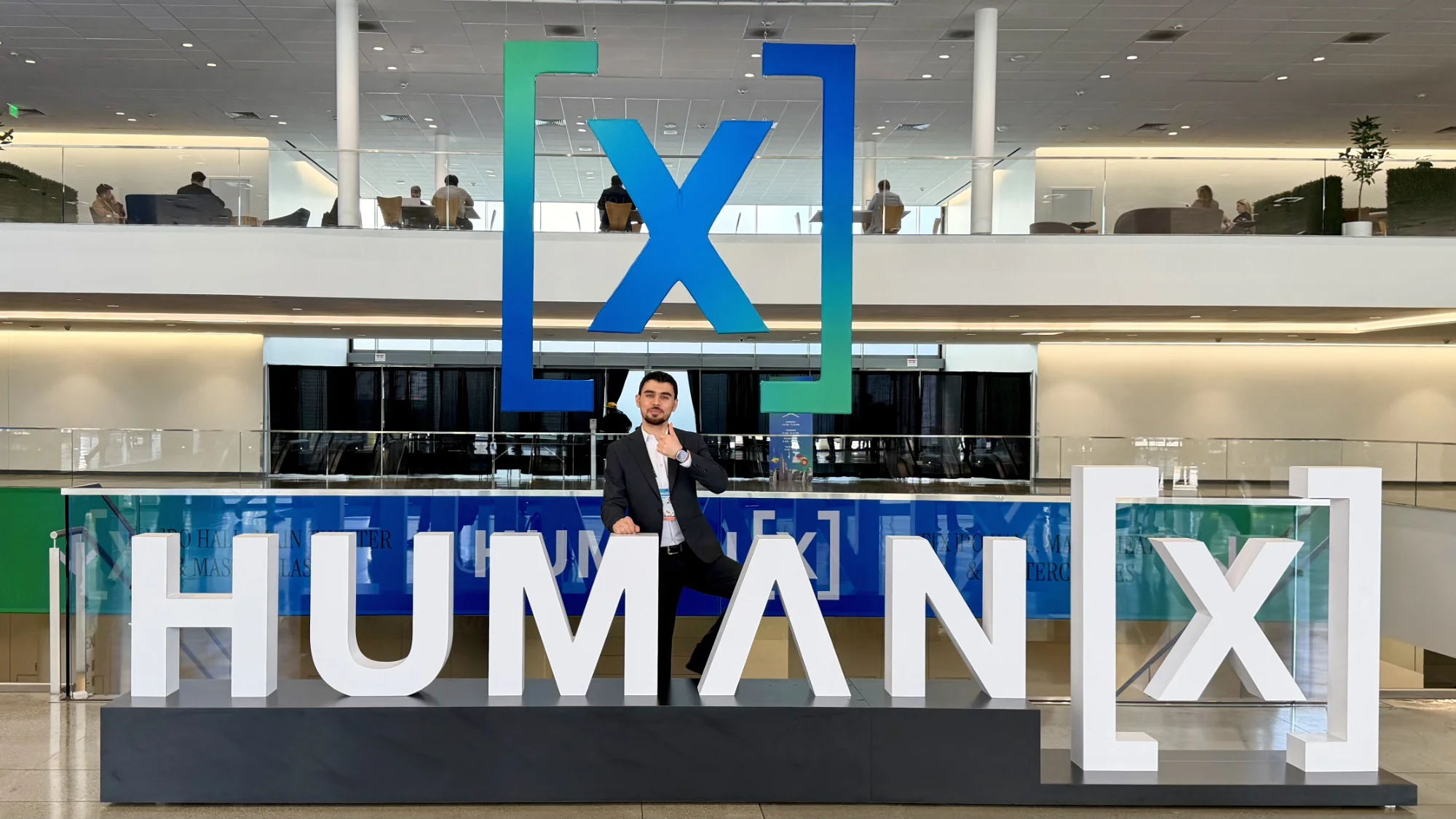
On a cold April morning in San Francisco, I stood in front of Moscone Center with my camera in hand and a media badge on my chest, carrying one question in my mind: how do I bring this event to the millions of people who follow me on the other side of the planet?
I wasn't at HumanX 2026 as a casual visitor. I was there on a mission: to be the Arab audience's eyes on one of the world's most important AI conferences, and to translate what was happening on those massive stages into a language understood by a young man in Homs, a founder in Riyadh, and a student in Amman.
A Conference Built for the Moment
The numbers alone tell part of the story: more than 6,800 attendees from 72 countries, over 300 speakers across four full days from April 6 to 9, 160 hours of content spread over five specialized tracks, and more than 480 media representatives from the world's leading platforms. But what the numbers don't capture is the feeling you get walking through those halls: the sense that you are standing inside the moment where the next chapter of technology's history is being written.
On the main stage, the conference opened with a bold vision from Stefan Weitz, co-founder and CEO, around what he called the five layers of AI: chips, infrastructure, models, applications, and energy. Then came the names we're used to reading in headlines: Dr. Fei-Fei Li, whom many call the godmother of AI; former U.S. Vice President Al Gore; leaders from NVIDIA, AWS, OpenAI, Anthropic, and Perplexity; and even Ray Kurzweil, whose predictions have slowly turned from science fiction into a roadmap.
What struck me first as a content creator: this conference doesn't sell its stages. Nobody pays to speak. Every name on that stage earned it because they had something worth saying, not something worth paying. That alone makes every session worth your full attention.
Meeting Stefan: A Lesson in Humility
In the rush of those four days, one moment happened that I still find myself returning to.
I expected the founder of an event this size to be someone you barely glimpse from a distance, surrounded by his team, moving from one meeting to the next. But Stefan Weitz was something else entirely. When I met him, I didn't feel like I was talking to a CEO running an event with thousands of attendees. I felt like I was talking to someone who genuinely wanted to know who you are, what you do, and why you came from so far away.
I told him about my Arabic-speaking audience, about the millions who follow technology with passion from our region but rarely hear a voice from inside these halls in their own language. He listened with real attention, the kind of listening that cannot be faked. And in that moment, I understood why this conference carries the name HumanX: because the human really is at its center, starting with its founder.
I walked away from that meeting with a conviction that reinforced something I've always believed: great leaders are not the ones who make you feel small in their presence. They are the ones who make you feel that what you do matters. That is something I will carry into every project I build from here.
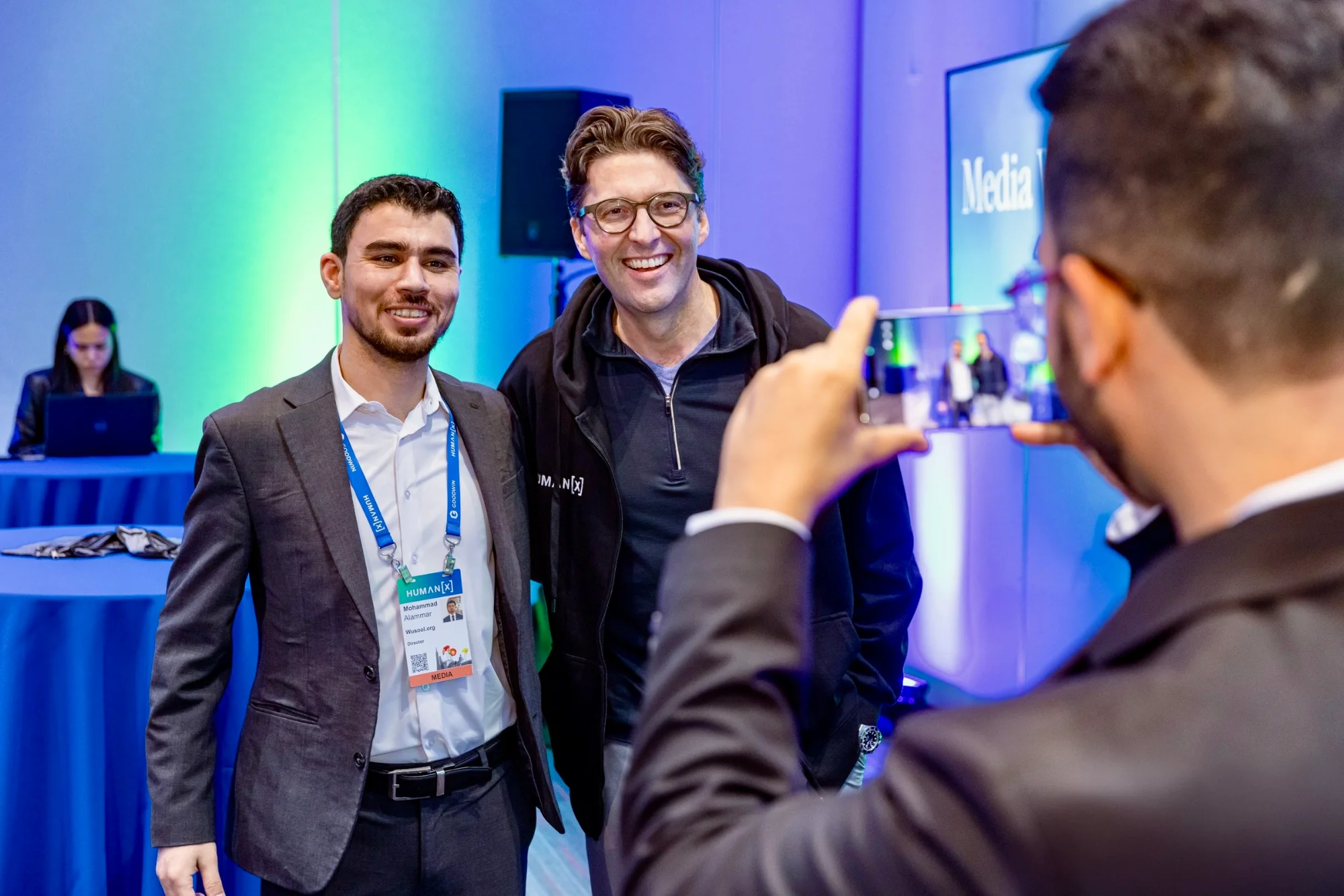
Mohammad & Stefan Weitz founder of HumanX
A Team That Works in Silence to Create the Noise
Behind every seamless session, every precise transition between stages, every small detail from the wayfinding signs to the one-on-one meeting logistics, there was a team working hard where the audience couldn't see. I've personally covered major global conferences, from Web Summit to CES, and I can say with confidence: the level of organization at HumanX was among the highest I have ever seen.
The curated networking programs like SolutionBridge, VentureConnect, and MatchX weren't just shiny names. They were real systems that produced more than 2,900 carefully matched one-on-one meetings and over 39,000 new professional connections. When attendees leave a conference having closed actual deals and partnerships rather than just exchanging business cards, you know a team stayed up late sweating every detail.
And here I must thank Barry Salmon, Head of Media at HumanX, who made the work of hundreds of journalists and content creators, myself included, a smooth and professional experience from the very first moment.
A Bridge Between Moscone and the Arab World
My real mission wasn't inside the halls. It was in what happened after. Every day, I distilled hours of sessions into clips and posts that reached my audience in Arabic: What did Fei-Fei Li say about human-centered AI? What does Al Gore's conversation about climate and technology mean for a region living through energy and water challenges? And how can Arab startups ride this wave of transformation?
What happened exceeded my expectations. My inbox filled with questions from followers across at least fifteen Arab countries: "How do we attend the next edition?" "Are the sessions recorded?" "What's the biggest thing you took away from the conference?" I felt then that the coverage wasn't just reporting the news. It was opening a door that many believed was closed to them. When a young man from a small village writes to tell you he started learning to build AI agents because of a clip you posted from a hall in San Francisco, you understand the true meaning of the words "media coverage."
Looking Ahead: How Does Great Become Greater?
With the eyes of someone who loved this experience from the inside, I see golden opportunities ahead of HumanX for the next edition in Las Vegas (March 7-10, 2027):
First, the global non-English-speaking audience. With attendees from 72 countries and millions of followers around the world, a simple initiative like official multilingual recaps or live translation of the main keynotes could multiply the conference's global reach many times over, especially in hungry emerging markets like the Arab region.
Second, a dedicated space for content creators. Traditional media was strongly present, but content creators are the ones who carry the event to the next generation. A well-equipped corner for filming and quick interviews with speakers would turn every creator in attendance into a global broadcast channel for the conference.
Third, sessions on AI in emerging markets. The stories coming from outside Silicon Valley, from the Middle East, Africa, and South Asia, carry angles that haven't been told yet, and an audience waiting to see itself represented on stage.
These are not criticisms. They are a vote of confidence: ordinary conferences we simply attend, but exceptional ones make us dream of contributing to their future.
A Final Word
I left San Francisco carrying more than hours of footage. I carried a conviction that AI is not a story to be told from a distance. It is a future being built right now, and our Arab audience deserves to be part of building it, not just watching it.
Thank you, HumanX, for the hospitality. Thank you, Stefan, for the inspiring leadership. And thank you to every team member who worked in silence to deliver this event at this level. See you in Las Vegas.
See you at HumanX 2027.
Bridge — The Newsletter
Join subscribers and get the latest articles and reflections in your inbox.
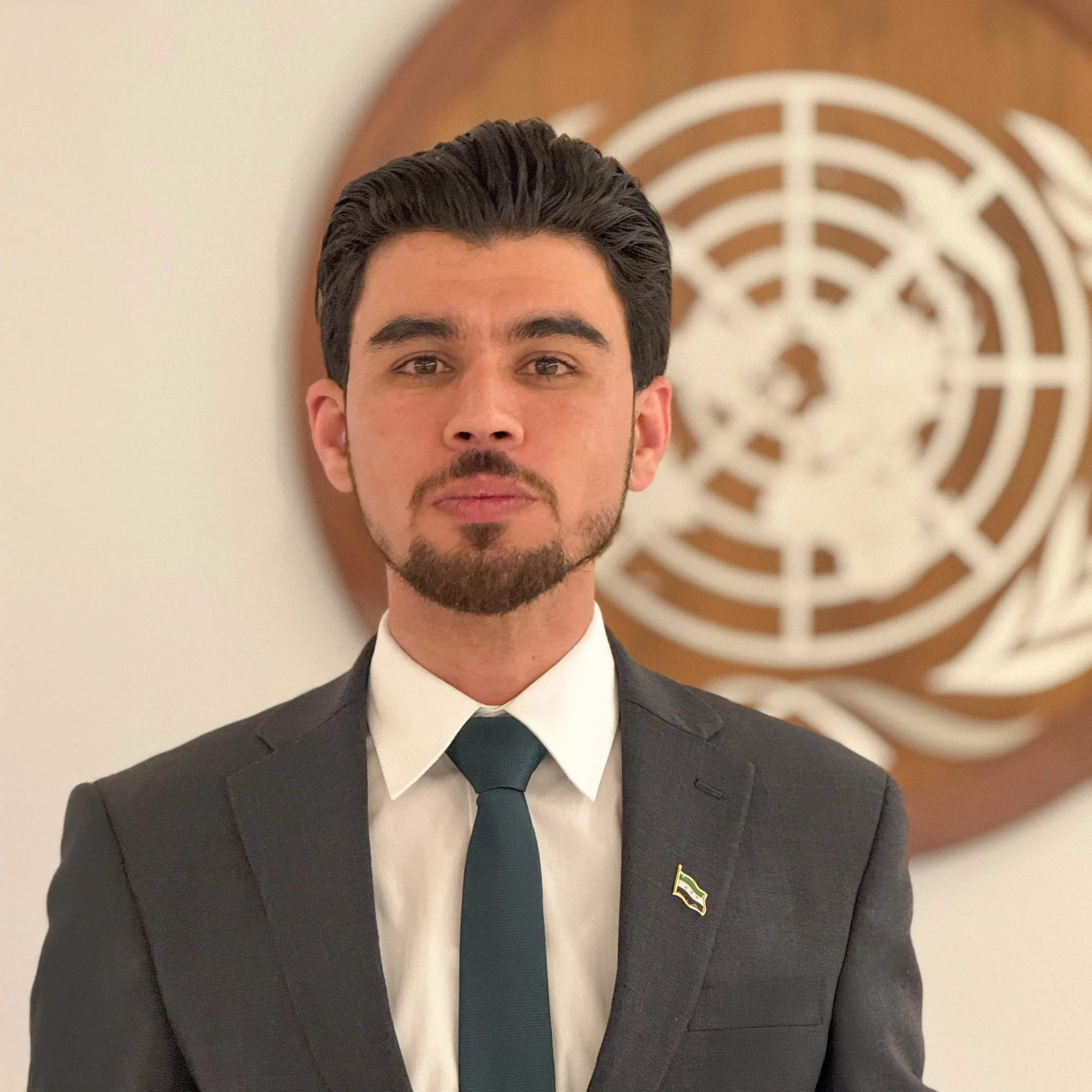
Mohammad Alammar
My name’s Mohammad Alammar. Over the past decade, I've evolved from a dreamer with limited resources into a founder who reaches a community of over one million followers.